

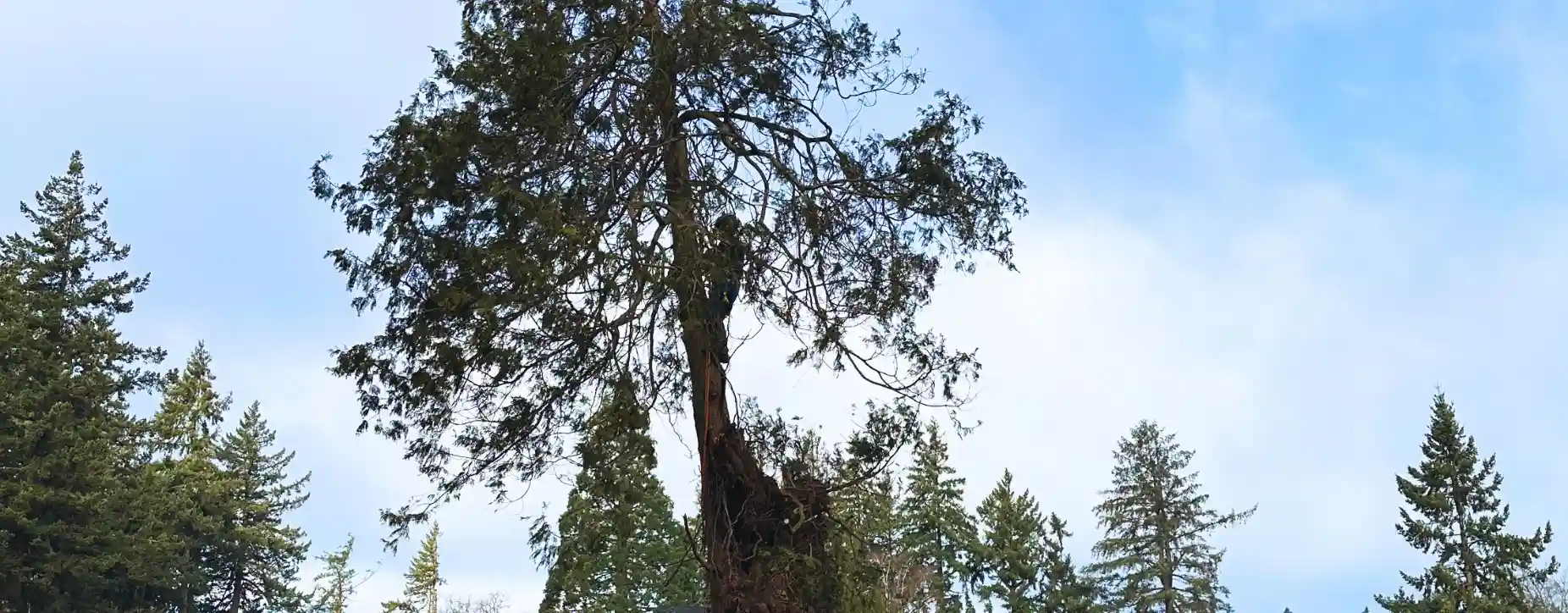
What Tree Health Management Means in Oregon’s Climate
Oregon’s lush landscapes are renowned for their natural beauty, with trees playing a crucial role in the state’s ecosystems. Portland, for instance, has been recognized as one of the Top 10 cities for urban trees by American Forests and honored as a “Tree City USA” over 40 times by the National Arbor Day Foundation. However, maintaining the health of these trees is a significant challenge due to the state’s diverse climate conditions.
The unique climate in Oregon, ranging from coastal regions to high desert areas, demands specialized approaches to tree care. Effective tree health management is crucial for preserving the aesthetic and environmental benefits of trees in both urban and rural landscapes.
Key Takeaways
- Tree health management is critical in Oregon’s diverse climate.
- Specialized care is needed for trees in different regions.
- Professional services can help maintain healthy trees.
- Proper tree care can save property owners money.
- Certified professionals play a key role in diagnosing and treating tree health issues.
Understanding Oregon’s Unique Tree Health Challenges
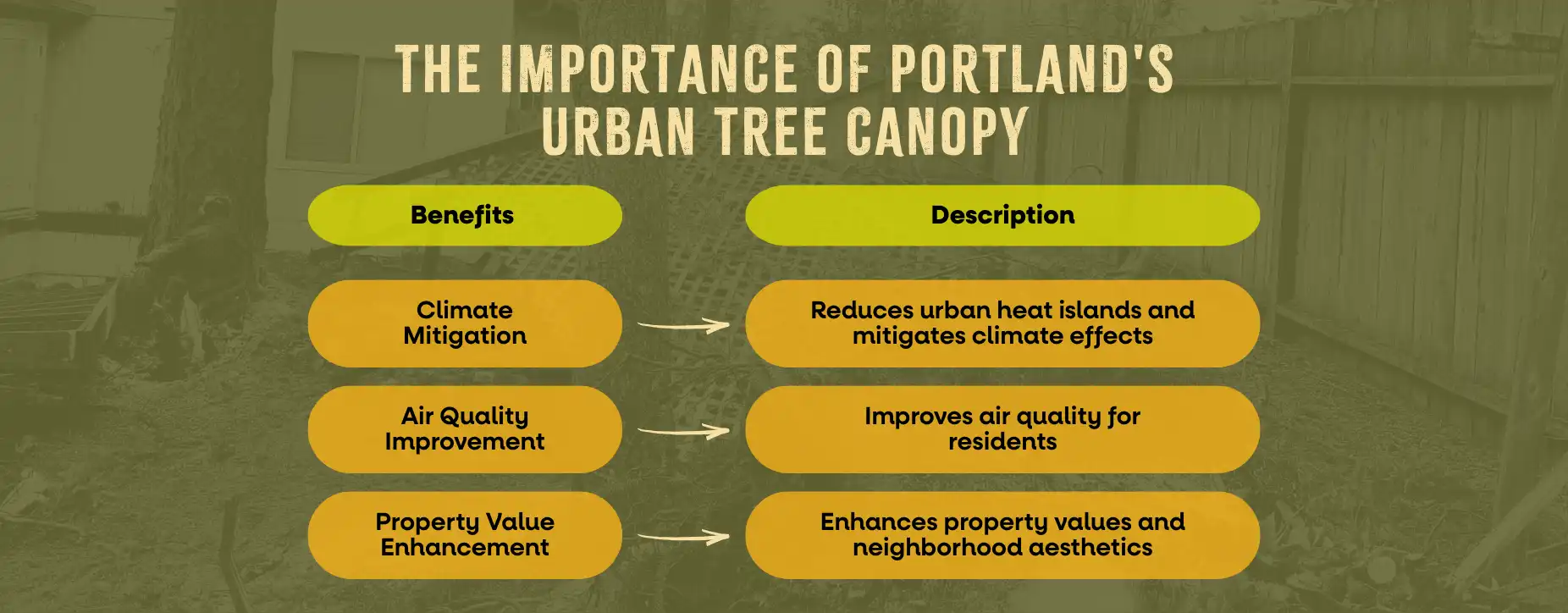
Portland’s urban tree canopy supports climate mitigation, cleaner air, and stronger property values.
Oregon’s Climate Impact on Trees
Oregon’s climate has a significant impact on the health of its trees. Oregon state’s Mediterranean climate, characterized by wet winters and dry summers, can lead to drought stress in trees during the summer months. Proper tree care is essential to mitigate this stress. For instance, trees in urban areas like Portland require regular watering and maintenance to ensure their health and longevity.
The Importance of Portland’s Urban Tree Canopy
Portland’s urban tree canopy plays a crucial role in maintaining the city’s ecological balance. The canopy covers over 25% of Portland’s land area, and the city aims to increase this to 33%. A healthy urban tree canopy not only enhances the aesthetic value of property but also contributes to reducing urban heat islands and improving air quality in the area.
| Benefits of Urban Tree Canopy | Description |
|---|---|
| Climate Mitigation | Reduces urban heat islands and mitigates climate effects |
| Air Quality Improvement | Improves air quality for residents |
| Property Value Enhancement | Enhances property values and neighborhood aesthetics |
Urban trees face unique challenges, including limited soil volume, pollution exposure, and physical damage. Consulting with tree care experts can help mitigate these challenges. By understanding Oregon’s unique tree health challenges, you can take proactive steps to care for your trees and contribute to the overall health of the urban forest.
Common Tree Health Issues in Oregon
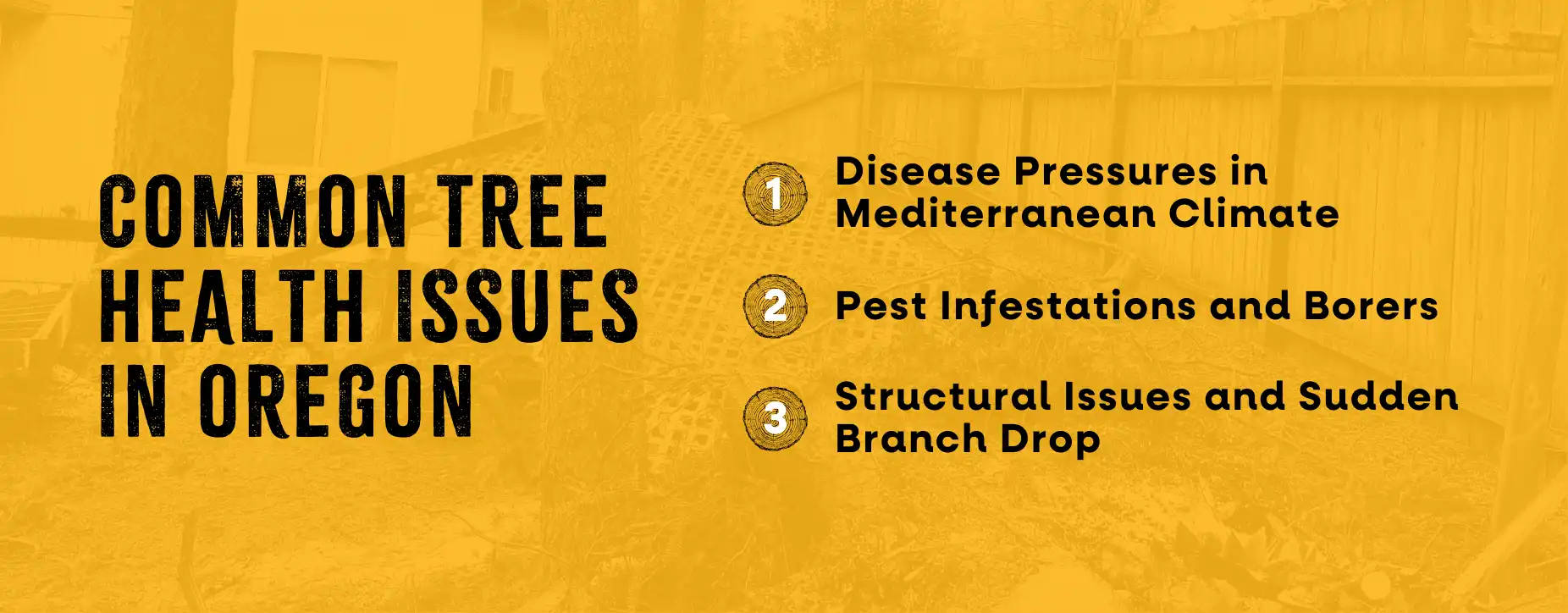
Oregon trees commonly face disease pressure, pest infestations, and structural failure risks.
Oregon’s diverse tree population faces numerous health challenges due to its unique climate conditions. Understanding these challenges is crucial for maintaining the health and safety of trees across the state.
Disease Pressures in Mediterranean Climate
Oregon’s Mediterranean climate, characterized by wet winters and dry summers, can lead to various disease pressures on trees. Diseases such as root rot and canker are prevalent, particularly in trees that are not well-suited to the local climate conditions. Regular monitoring and proper care can help mitigate the impact of these diseases.
Pest Infestations and Borers
Pest infestations are another significant threat to tree health in Oregon. Borers and other insects can cause substantial damage, weakening trees and making them more susceptible to disease and environmental stress. Identifying pest issues early is critical for effective management.
Structural Issues and Sudden Branch Drop
Sudden Branch Drop Syndrome (SBDS) is a concerning issue in Oregon, where branches can fail without warning, posing a risk to people and property. Understanding the causes and risk factors associated with SBDS, such as hot, calm days following drought, can help in managing tree health. Regular pruning and structural maintenance are key to preventing such incidents.
Professional Tree Health Management Services
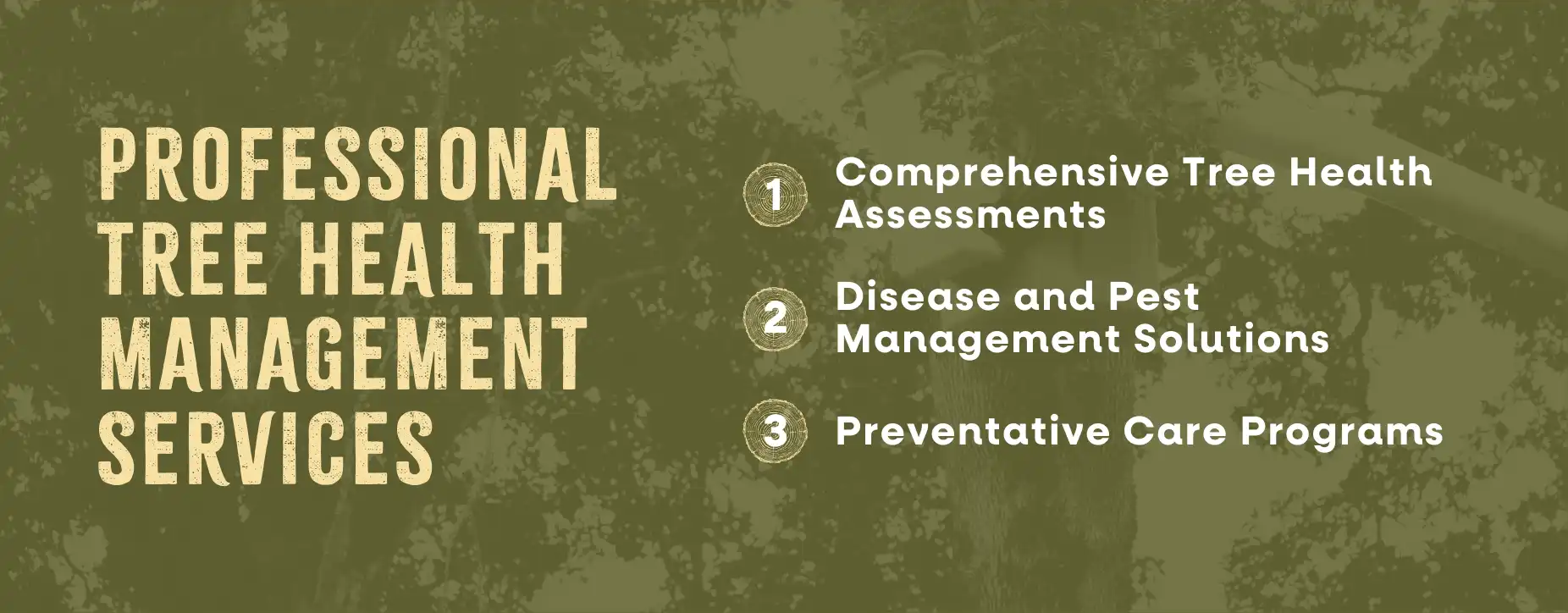
Comprehensive tree health services include inspections, pest management, and preventative care programs.
To ensure the longevity and health of your trees, consider hiring professional tree health management services tailored to Oregon’s climate. As a full-service tree company, we guide our clients to the right solutions for their properties and trees.
Comprehensive Tree Health Assessments
A comprehensive tree health assessment is the first step in maintaining the health of your trees. Our experts conduct thorough inspections to identify signs of disease, pest infestations, and structural issues. This assessment allows us to develop a customized plan to address the specific needs of your trees.
Disease and Pest Management Solutions
Disease and pest management are critical components of tree health management. We offer tailored solutions to combat common tree diseases and pest infestations in Oregon. Our treatments are designed to minimize environmental impact while effectively addressing the issue.
Preventative Care Programs
Preventative care programs are proactive approaches to maintaining tree health. These programs include scheduled inspections, soil management, and proactive treatments. By customizing our preventative care programs to your property size, tree species, and environmental conditions, we help you avoid costly emergency interventions.
Key benefits of preventative care programs include:
- Early detection of potential issues
- Customized care plans
- Year-round protection
- Support for healthy tree growth and development
Seasonal Tree Care for Oregon’s Climate
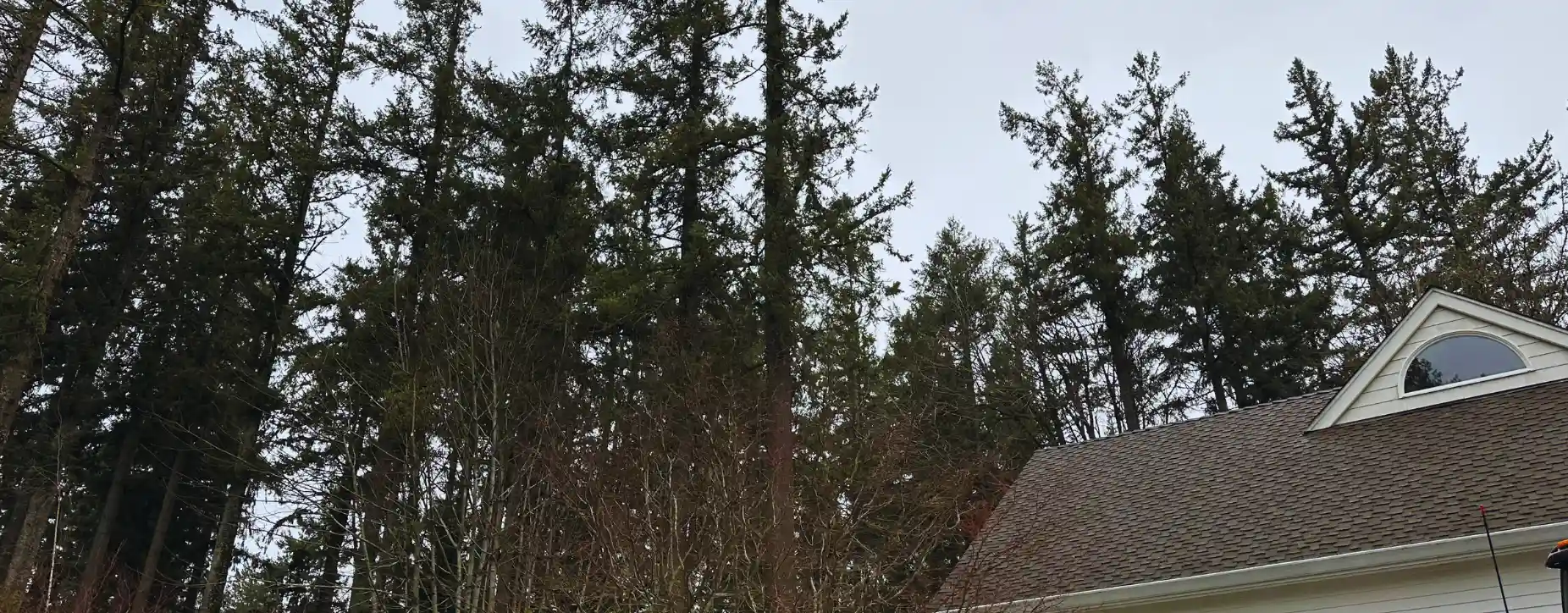
Seasonal tree care helps Oregon landscapes withstand wet winters, dry summers, and storm events.
To keep your trees thriving throughout the year, it’s essential to understand and implement seasonal tree care practices tailored to Oregon’s unique climate conditions.
Winter Preparation and Protection
Winter can be harsh on trees in Oregon, with cold temperatures and potential snowstorms. Preparing your trees for winter involves protecting the roots with mulch and ensuring that branches are structurally sound to withstand snow loads.
It’s also a good time to inspect your trees for any damage or disease, allowing you to address issues before the growing season.
Spring and Summer Maintenance
As the weather warms, your trees will begin to grow actively. Pruning in late winter or early spring can help maintain their shape and promote healthy growth. Regular inspections during spring and summer can help identify pest or disease issues early.
Maintaining proper soil health through aeration and fertilization can also support your trees’ vitality during the growing season.
Fall Tree Health Practices
Fall is a critical season for tree care in Oregon. It’s an ideal time for pruning certain tree species and making structural corrections before winter. Fall soil management techniques, such as deep root fertilization, can support root health during the dormant season.
Proper fall cleanup practices can prevent disease and pest issues in the following growing season. Working with a certified arborist can help you develop a fall maintenance plan tailored to your trees and landscape.
By adopting these seasonal tree care practices, you can ensure the health and longevity of your trees, enhancing the beauty and value of your property.
Protecting Your Trees for the Future
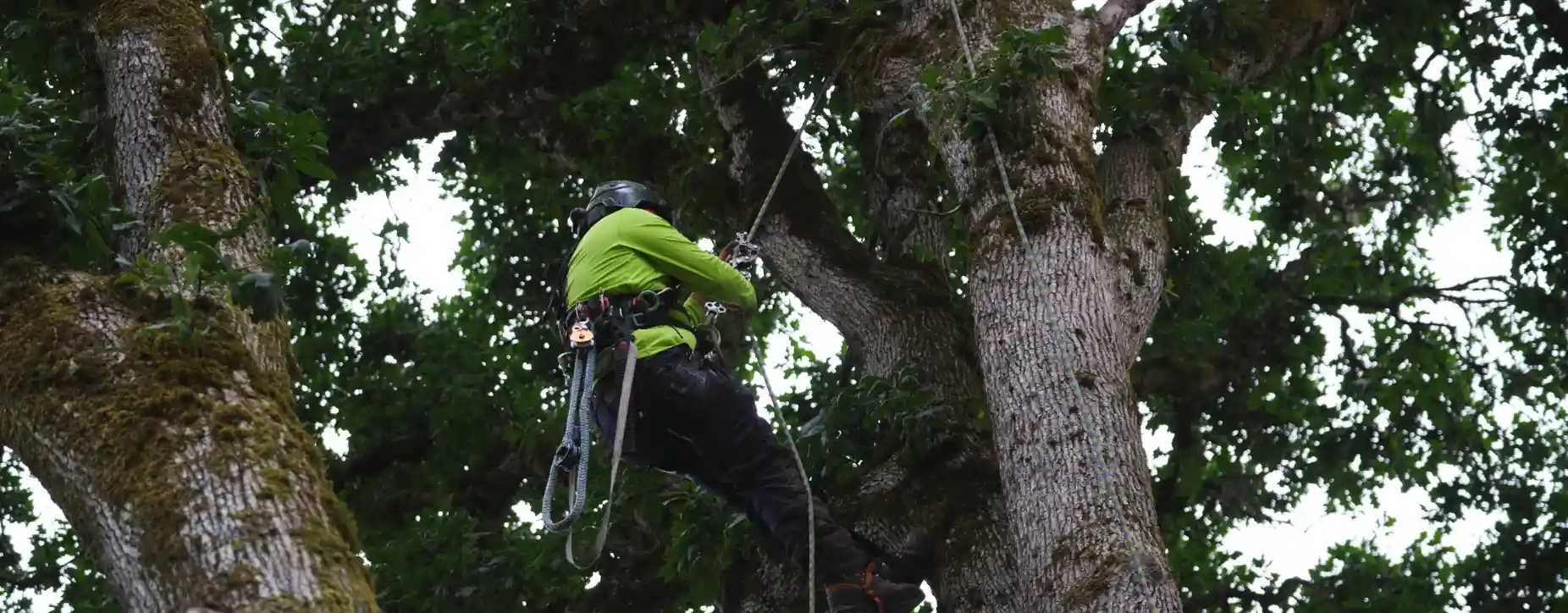
Professional arborist performing proactive care to protect mature Oregon trees long term.
Professional tree health management is one of the smartest investments you can make for your Portland property. By taking a proactive approach, you reduce the risk of disease, pest infestations, storm damage, and unexpected tree failures while extending the life and beauty of your trees. Ongoing care, thoughtful pruning, and timely evaluations help your landscape adapt to Oregon’s changing climate instead of reacting to problems after they appear.
At Legacy Tree Service, our arborists focus on prevention first, guiding homeowners through practical, long-term solutions that keep trees healthy, safe, and structurally sound. Whether you need expert recommendations, ongoing care, or a second opinion before a bigger decision, we’re here to help.
Ready to protect your trees and avoid costly problems down the road? Contact us online or call (503) 290-9482 to schedule a professional tree health evaluation.
Tree Health Management Frequently Asked Questions
1. What does tree health management involve for Oregon trees?
Tree health management is a proactive approach to maintaining strong, resilient trees through regular inspections, pruning, soil care, pest and disease monitoring, and seasonal planning. We evaluate the entire tree system, from roots to canopy, to create a long-term care plan tailored to local climate conditions.
2. What are the most common tree health problems in Portland and western Oregon?
Trees in the Portland area commonly face issues such as fungal infections, canker diseases, root rot, aphid infestations, scale insects, and borers. These problems are often caused or worsened by prolonged moisture, compacted soils, and seasonal drought stress. Effective tree health management focuses on early detection and prevention, reducing the need for emergency tree removal and preserving tree longevity.
3. How does professional pruning support long-term tree health management?
Pruning plays a critical role in tree health management by improving structure, increasing airflow, and removing dead, diseased, or weak branches. Proper pruning reduces the risk of branch failure, limits disease spread, and supports balanced growth. In Oregon’s storm-prone climate, routine pruning by a certified arborist also helps trees withstand wind and heavy rain while protecting nearby homes and property.
4. How often should trees be inspected as part of a tree health management plan?
Most residential trees benefit from professional inspections every one to three years, depending on age, species, and location. Trees exposed to wind, heavy foot traffic, construction, or past damage may need more frequent evaluations. Regular inspections are a core part of effective tree health management, allowing arborists to catch issues early and recommend targeted treatments before problems escalate.
5. Why is preventative tree health management better than reactive tree care?
Preventative tree health management helps homeowners avoid costly emergency removals, storm damage, and safety hazards by addressing problems before they become severe. Ongoing care improves tree vitality, extends lifespan, and protects property value.