


Your Complete DIY Tree Trimming Guide: Tips and Techniques
Are you confident in your ability to give your trees the care they need to thrive? While watering, mulching, and fertilizing may come naturally, DIY tree trimming can feel daunting. However, with the right guidance, you can master the art of tree trimming and enhance your landscape’s appearance.
Proper tree care involves more than just watering; it requires regular maintenance, including trimming trees to ensure their health and safety. By learning the correct techniques, you can safely handle basic tree trimming tasks and know when to call in professional help. This comprehensive guide will walk you through when to trim, safety considerations, necessary tools, and proper techniques, giving you the confidence to tackle DIY tree trimming projects.
Key Takeaways
- Understand the importance of proper tree trimming for tree health and safety.
- Learn when to trim trees and how to do it safely.
- Discover the necessary tools for effective tree trimming.
- Master proper tree trimming techniques for different tree types.
When and Why DIY Tree Trimming is Necessary

DIY trimming helps improve tree health, boost value, and reduce storm damage risk
Regular tree trimming is essential for promoting healthy tree growth and preventing potential hazards. Proper tree care not only enhances the aesthetic value of your landscape but also contributes to the overall health of your trees.
Signs Your Trees Need Trimming
Identifying the right time to trim your trees is crucial. Look out for signs such as dead or dying branches, branches that are rubbing against each other, or branches that are obstructing walkways or power lines. These indicators suggest that your trees require maintenance to prevent damage and ensure their continued health.
Benefits of Regular Tree Maintenance
Regular tree trimming offers numerous benefits, including:
- Promoting overall tree health and longevity by removing diseased or damaged branches.
- Enhancing the value of your property and improving curb appeal through well-manicured trees.
- Reducing the risk of property damage from falling branches during storms.
- Providing environmental benefits such as shade, wildlife habitats, and improved air quality.
- Being more cost-effective than dealing with tree emergencies or removals.
- Helping trees develop a stronger structure that can better withstand environmental stresses.
Safety First: When to DIY vs. Call the Professionals
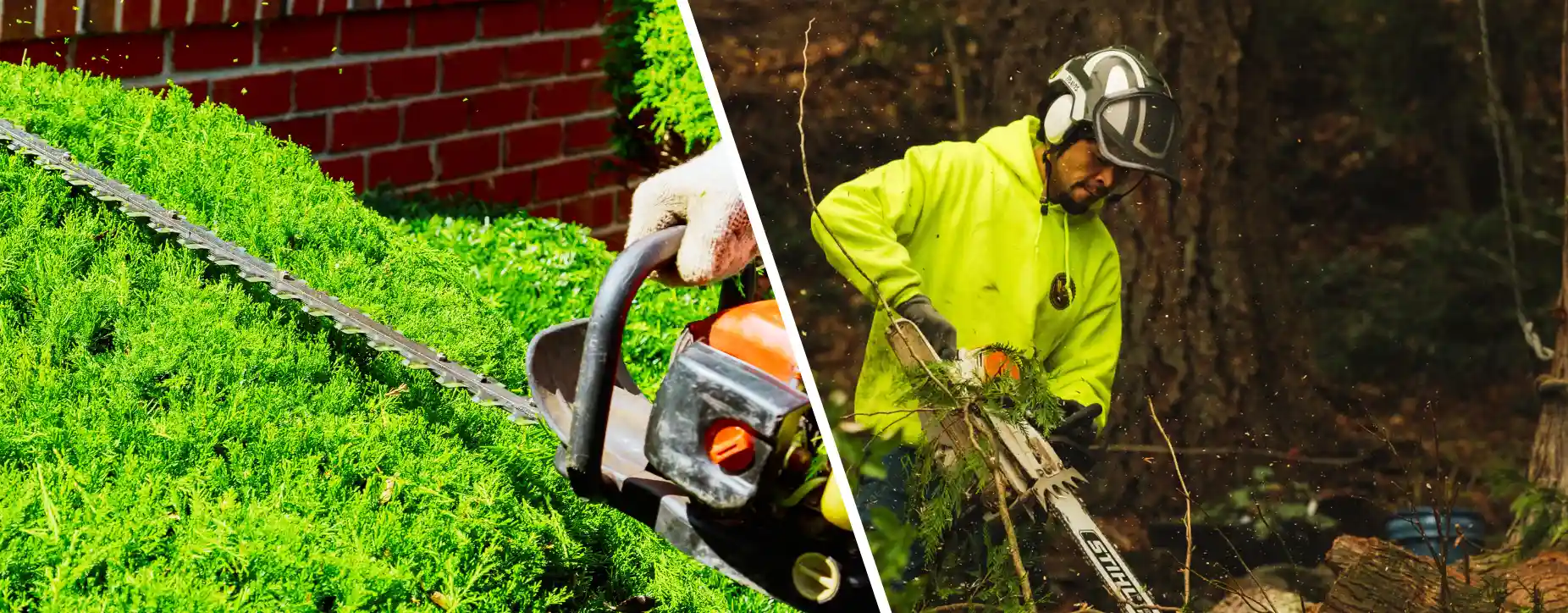
Know when to trim small branches yourself and when to call a certified arborist.
When it comes to tree trimming, knowing when to DIY and when to call professionals is crucial for your safety. Tree trimming involves risks, especially when using equipment like ladders and chainsaws near branches and the tree trunk.
Projects Safe for Homeowners
Homeowners can safely trim small branches and perform minor pruning tasks using proper personal protective equipment (PPE) such as gloves, safety glasses, and sturdy footwear. Ensure you’re using the right ladder safety techniques, including proper placement and having a spotter.
When to Hire Certified Arborists
For more complex tasks or when dealing with large branches near power lines or the main tree trunk, it’s advisable to hire certified arborists. Professionals have the necessary training and equipment to handle these tasks safely. They can also provide guidance on tree care and maintenance.
DIY Tree Trimming Best Practices in Portland, Beaverton & Hillsboro
Whether you’re tackling a small tree trimming job in your Beaverton backyard or addressing large, overhanging limbs in Portland, following proper tree trimming safety protocols is essential to avoid injury and property damage. Our certified arborists always wear professional-grade PPE, including hard hats, gloves, eye protection, and ear guards, to safeguard against falling branches and loud equipment.
For elevated work (over 8 feet), our team uses OSHA-compliant safety harnesses anchored to stable structures to ensure fall protection during complex cuts. Before every project, we perform a full site hazard assessment, checking for power lines, unstable limbs, root obstructions, and ground conditions. We also establish secure perimeters to keep homeowners, pedestrians, and pets at a safe distance during tree trimming operations.
Essential Tools for DIY Tree Trimming

Key tools for trimming trees safely, including pruners, loppers, gloves, and boots.
Having the correct equipment is crucial for safe and successful DIY tree trimming. The right tools not only make the task easier but also help in achieving clean cuts that heal quickly, reducing the risk of disease or pest infestation.
Hand Tools for Small Branches
For smaller branches, pruning shears are indispensable. They come in different types, such as bypass and anvil pruners, each suited for specific cutting tasks. Keeping them sharp and clean is vital for the health of your trees.
Tools for Medium to Large Branches
For thicker branches, lopping shears provide the necessary leverage and cutting power. These are especially useful for branches that are too large for hand pruners but not so large that they require a saw.
Safety Equipment You’ll Need
Essential safety equipment includes gloves to protect your hands, safety goggles to shield your eyes, and a hard hat to safeguard against falling debris.
Maintaining Your Tree Trimming Tools
To ensure your tools remain in good condition, regular maintenance is key. This includes cleaning your tools after each use to prevent the spread of disease, sharpening cutting edges to make clean cuts, and storing them properly to prevent damage.
By maintaining your tools, you not only extend their lifespan but also ensure that your trees heal quickly from cuts, reducing stress and the risk of infection.
Step-by-Step DIY Tree Trimming Techniques

Learn how to identify cuts, understand tree anatomy, and shape the canopy properly.
Trimming your trees can be a great way to maintain your landscape and keep your property looking sharp—especially between scheduled visits from Legacy Tree Service. For homeowners in Portland, Beaverton, or Hillsboro who are confident in tackling smaller tree maintenance tasks themselves, understanding the right techniques can help prevent costly mistakes and promote long-term tree health.
Identifying What to Trim
Before making the first cut, it’s important to step back and assess the overall structure of the tree. Visualize the branches like the hands of a clock. Those growing at a 10 o’clock or 2 o’clock angle from the trunk are typically the strongest and most structurally sound. Keep those. The ones growing straight up, downward, or crossing through the center of the canopy are more likely to cause future issues and should be removed. A thoughtful approach here sets the foundation for healthy growth and a beautiful canopy.
Understanding Tree Anatomy
To avoid damaging the tree, it helps to understand how a branch is naturally connected to the trunk. Where each limb meets the trunk is a swollen area called the branch collar, and just above that is the bark ridge. These parts are essential to the tree’s ability to heal after a cut. When trimming, always make your cut just outside the branch collar to ensure a faster recovery and minimize the risk of disease or decay.
Proper Cutting Techniques
For smaller limbs, a clean cut with sharp hand pruners or loppers will usually do the job. But for larger branches, you’ll want to use the three-cut method. Start with an undercut about a foot from the trunk to prevent bark tearing, then make a second cut slightly farther out to remove the weight of the branch. Your final cut should be just outside the branch collar to help the tree seal the wound efficiently.
Shaping the Tree Canopy
Start by identifying the scaffold branches that form the tree’s primary structure, then remove smaller, unnecessary shoots that grow vertically or crowd the interior. Thinning out dense areas improves light penetration and air circulation, which are both crucial for healthy growth. Just be careful not to overdo it. Never remove more than 25% of the canopy in a single trimming session, as this can cause stress and potentially stunt the tree’s development.
Best Times to Trim Different Types of Trees

Knowing the right season to trim each tree type supports healthier growth and recovery.
Understanding the best time to trim your trees is crucial for their health and longevity. Different trees have different needs, and trimming them at the right time can significantly impact their overall well-being.
DIY Tree Trimming Seasonal Considerations
The time of year you choose to trim your trees largely depends on the type of tree and its growth cycle. For most trees, the dormant season, typically during late winter, is considered the best time for trimming. This period minimizes the risk of disease and promotes healthy growth in the spring.
Deciduous vs. Evergreen Trees
Deciduous trees, which lose their leaves annually, are usually trimmed during their dormant season. Evergreen trees, on the other hand, can be trimmed lightly throughout the year, but major pruning is best done during their dormant period or just before new growth begins in the spring.
| Tree Type | Best Time to Trim | Reason |
|---|---|---|
| Deciduous Trees | Late Winter | Dormant season, less risk of disease |
| Evergreen Trees | Spring or Late Winter | Before new growth, maintains shape |
| Fruit Trees (e.g., Apple, Cherry) | Winter Dormant Season | Reduces risk of fire blight and other diseases |
Special Considerations for Fruit Trees
It’s essential to trim fruit trees, particularly those in the Rosaceae family (like apples and pears), during the winter dormant season. This timing is critical because these trees are susceptible to contracting fire blight, a bacterial disease that can be spread through open wounds during the growing season. Pruning during dormancy minimizes this risk and helps maintain tree health and productivity.
Maintaining Healthy Trees Through Proper Trimming

Clean, well-maintained tools help support proper tree trimming and long-term tree health.
Mastering DIY tree trimming empowers you to keep your property looking its best while supporting long-term tree health. With the right approach, regular maintenance helps prevent disease, encourages strong growth, and reduces future hazards. By identifying the correct branches to cut and using proven pruning techniques, you’re taking essential steps toward responsible tree care.
Tree health is a lasting investment and one that pays off in both safety and beauty. With these fundamentals in hand, you’re better prepared to care for your trees year-round and protect the value of your landscape for seasons to come.
If you’re ever unsure or dealing with larger, riskier limbs, don’t hesitate to contact Legacy Tree Service at info@legacytreeservice.com or give us a call at (503) 290-9482 for expert, affordable tree trimming in Beaverton, Hillsboro, and the surrounding Portland area. Let our certified arborists take the guesswork out of keeping your trees safe, healthy, and beautiful.
DIY Tree Trimming Frequently Asked Questions
1. What is the best time of year to trim my trees?
The best time to trim your trees depends on the type of tree and its growth cycle. For most deciduous trees, the dormant season, typically during winter, is ideal for trimming. However, for evergreen trees, trimming can be done at any time, but it’s best to avoid extreme weather conditions.
2. How do I know if I’m cutting too much of my tree’s branches?
To avoid over-pruning, make sure to remove no more than 25% of the tree’s branches in a single year. Removing too much can stress the tree, making it vulnerable to disease and pests. Always cut just outside the branch collar, the raised area where the branch meets the trunk.
3. Can I trim trees near power lines?
No, it’s not recommended to trim trees near power lines. This task requires specialized training and equipment to ensure safety. Instead, hire certified arborists who have the necessary expertise and gear to handle such jobs.
4. How do I maintain my tree trimming tools?
To keep your tools in good condition, regularly clean and sharpen them. Store your tools in a dry area to prevent rust. Proper maintenance will extend the life of your tools and ensure they’re ready for the next trimming job.
5. What angle should I cut my tree branches?
When cutting branches, make a clean cut at a 45-degree angle, just outside the branch collar. This helps the tree heal quickly and reduces the risk of disease or pest infestation.
6. What is the proper technique to prune fruit trees?
When pruning fruit trees, focus on thinning the canopy by removing crossing, inward-growing, or overcrowded branches to improve airflow and light penetration. Always make clean cuts just above a bud or lateral branch, angling slightly away to promote healthy healing and productive growth.